Safety Risks to Know Before Commercial Fleet Wraps in Milton
Fleet wraps are safe when installed correctly, but poor planning can block visibility, trap moisture, peel at highway speed, or clash with DOT lettering rules.
Published
Part of our Commercial Fleet Wraps service.
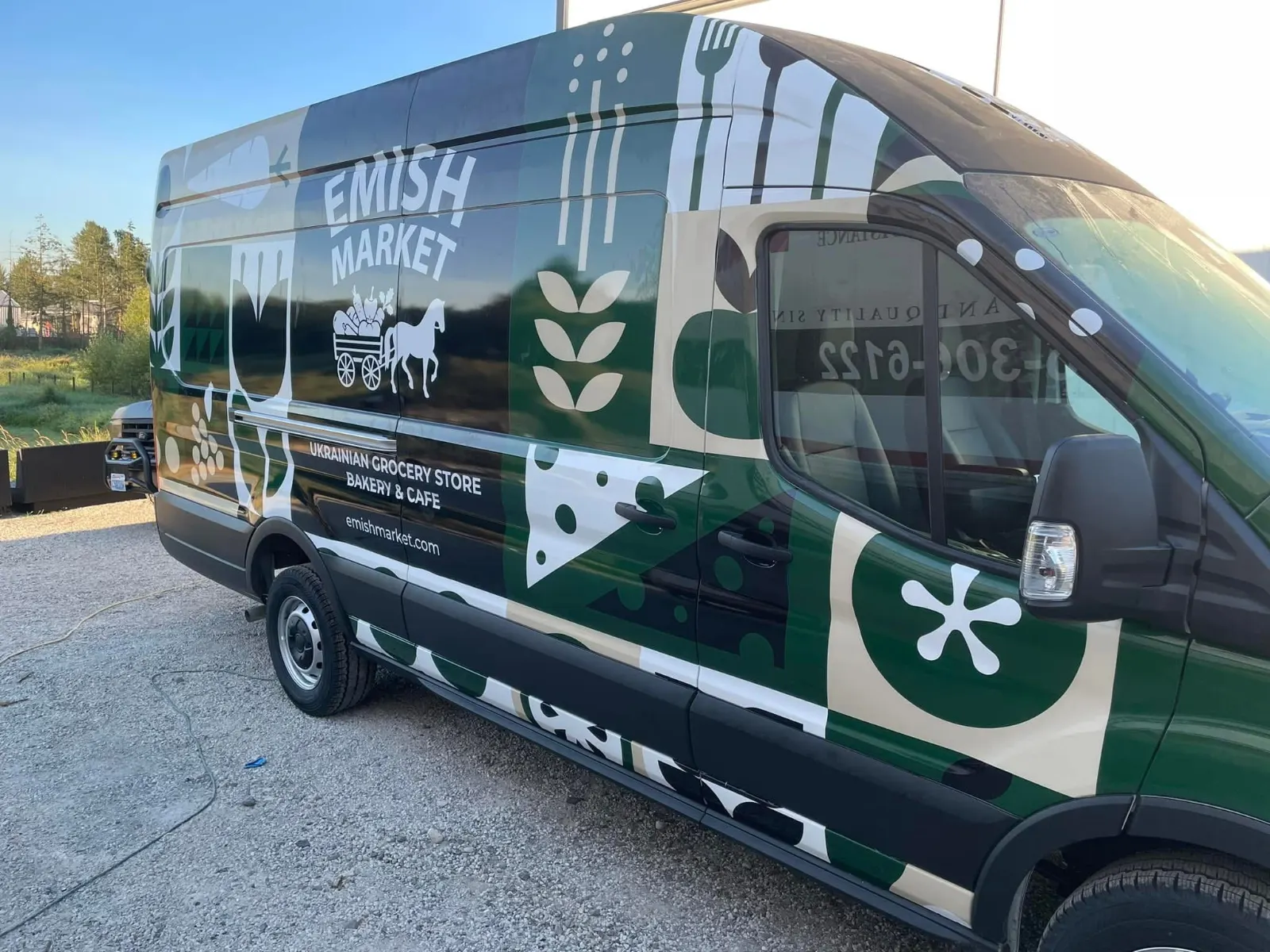
Blocked Windows and Mirrors: The Visibility Risk
The most common safety problem with a fleet wrap is also the simplest one: vinyl where it should not be. Wrap material across a windshield, side windows, or a mirror housing can cut a driver's line of sight, especially at dawn or dusk when Milton commuters are already squinting into low sun. This guide was written by RC Graphics Auto Wraps and Signs in Milton.
Perforated window film solves most of this. It carries your branding while letting the driver see out, and we install it only on glass where it performs the way it should. Rear and side glass get measured and mapped before a single panel is printed, so nothing ends up covering a defroster line or camera lens.
When you plan your Commercial Fleet Wraps with us, we walk each vehicle type in your fleet and mark off every zone that stays clear. That step takes minutes and prevents months of complaints from drivers.
Wrap Failure at Highway Speed
A wrap that lifts at 60 mph is not just ugly, it is a hazard. A loose panel can whip in the wind, tear off, and land on the road behind you, or it can peel back over a headlight or taillight and cut your nighttime visibility down to nothing.
Lifting usually traces back to one of three things: a dirty surface at installation, cheap film that cannot handle the Pacific Northwest's wet-and-freeze cycles, or corners and seams that were never properly sealed. Fleet trucks live outside year-round here in Milton, so the film and the prep work both matter more than they would on a garage-kept car.
We clean, decontaminate, and treat every panel before vinyl goes down, and we use films rated for vehicle use, not sign material pressed into the wrong job. Corners get sealed, seams get planned, and edges get checked before the truck leaves the shop.
Covered Lights, Plates, and Required Markings
Commercial vehicles carry required equipment that a wrap can accidentally bury. Headlights, taillights, reflectors, license plates, and DOT-mandated lettering all need to stay visible and legible. Cover a plate or a reflector and you are looking at a fix-it ticket, or worse, a liability question after an incident.
Good wrap design starts with a template of the actual vehicle, not a guess. Door handles, fuel doors, sensors, plate recesses, and lighting all get accounted for in the layout. If your trucks carry USDOT numbers or company identification that the law requires, we design around those markings so they remain readable after the wrap goes on.
This is one of those areas where an experienced shop earns its keep. The artwork is the fun part. The measuring is what keeps you legal.
Paint and Surface Damage from Bad Removal or Bad Prep
A wrap itself will not hurt healthy factory paint, but two mistakes can. The first is installing over failing paint, rust, or old repair work, where the adhesive pulls loose flakes off when the wrap eventually comes down. The second is removing a wrap with heat guns and scrapers used carelessly, which can scorch clear coat or gouge panels.
Before we quote a fleet project, we inspect the paint on each vehicle. Trucks with peeling clear coat or body filler repairs get flagged, and we talk through what that means honestly before any vinyl is printed. A wrap over failing paint fails early and looks bad doing it.
When a wrap eventually needs to come off, proper heat, proper technique, and patience protect the paint underneath. That matters for fleet owners, because the wrapped truck of today is the trade-in or resale vehicle of a few years from now.
Driver Distraction and Branding That Goes Too Far
A busy, high-contrast wrap can work against you in a way most fleet managers never consider: it can pull other drivers' eyes off the road. Loud patterns and flashing-style graphics on the sides and rear of a box truck invite second looks, and second looks at highway speed are how rear-end collisions happen.
There is also a subtler risk inside the cab. Wrap film installed over dashboard-adjacent glass or across a rear window on a delivery van can create glare patterns at certain sun angles, which fatigues a driver over a long shift.
Good fleet design balances bold with readable. Strong contrast, clean type, and a layout that respects sightlines will get you remembered for the right reasons. We review designs with you from the driver's seat, not just from the parking lot.
How to Reduce These Risks Before Your Fleet Wrap Starts
Most wrap safety problems are preventable with a little homework on your end. Here is the short list we suggest to every fleet customer before work begins.
Walk each vehicle and note any existing paint damage, dents, or rust, and tell the shop upfront. Confirm where required markings, plates, and lights sit on every model in the fleet. Ask what film brand is being used and whether it is rated for full vehicle outdoor exposure. Ask how windows, mirrors, and sensors will be handled. And make sure someone will check a finished vehicle in daylight before it returns to service.
If you are comparing shops, our article on choosing the right wrap shop covers the questions worth asking. When you are ready to plan your Commercial Fleet Wraps in Milton, call RC Graphics at (253) 332-1154 or stop by the shop on Emerald St. We treat every truck like it parks in our own driveway, and we would rather flag a problem now than hand you a headache later.
Ready to move forward? See our Commercial Fleet Wraps service
Written by the RC Graphics Auto Wraps and Signs team.
Safety Risks to Know Before Commercial Fleet Wraps in Milton FAQs
Will a wrap damage the paint on my fleet trucks?
Not when the paint is healthy and the film is installed and removed correctly. The risk comes from wrapping over failing paint, rust, or body filler, and from careless removal. We inspect each vehicle before installation and flag any surfaces that could cause trouble, so you know exactly what you are working with before vinyl is printed.
Can you wrap over the windows on a commercial vehicle?
Yes, but only with perforated window film, and only on glass where it makes sense. Perforated film carries your branding while letting the driver see out from inside. Windshields and critical sightline areas stay clear. Every window zone is mapped during the design phase so nothing blocks the driver's view.
What is the lifespan of a fleet wrap in Washington weather?
With quality cast vinyl and proper installation, a fleet wrap typically holds up for several years of outdoor use in the Milton area, including rain, sun, and freeze-thaw cycles. Longevity depends on the film quality, how well edges and seams were sealed, how the vehicles are stored, and how they are washed.
Do wraps interfere with USDOT numbers or required lettering?
They should not. Required markings, plates, and lights are all accounted for in the design layout, and any legally required identification stays visible and legible after installation. If your markings need to be refreshed as part of the project, we can handle that alongside the wrap so the finished truck is consistent and road-legal.
Still have a question about your wrap or sign? Call the shop